Table Of Content
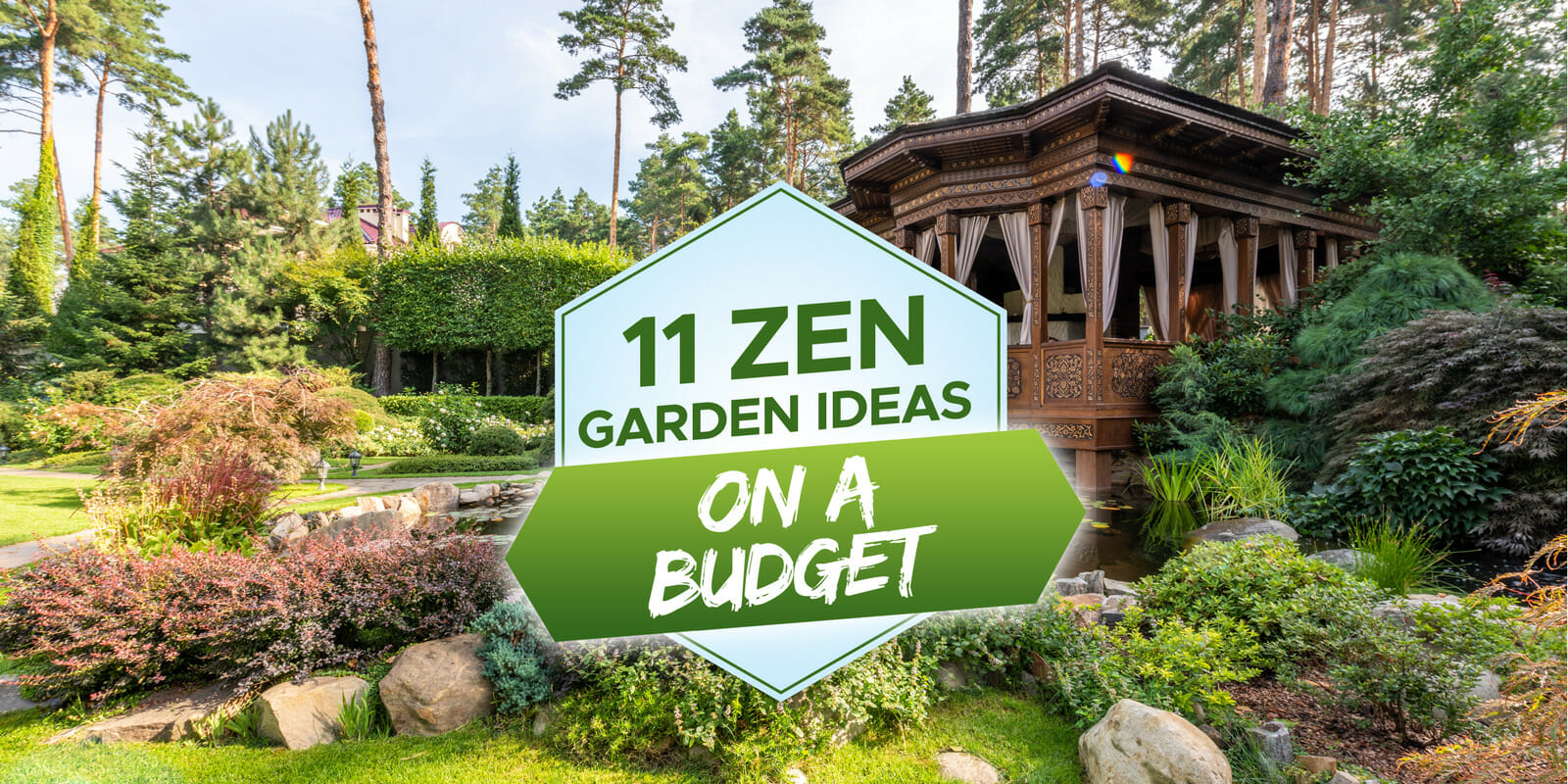
The main purpose of a Zen garden is to create a space for mindfulness and reflection. Zen gardens remind us that peace and beauty can be found in the simplest elements. Through the careful selection and placement of rocks, the thoughtful raking of gravel, and the mindful inclusion of water and greenery, we create more than just a space. We craft an environment that invites us to slow down, breathe, and connect with the moment. A Zen garden is not only about the initial creation but also about ongoing maintenance.
Pruning and Care of Plants
Read on to learn how to create a calm and relaxing space in your garden for the body and mind. While Zen gardens typically use few plants, you can tailor this aspect to your own tastes and style. The type of plants used in Zen gardens tend to be low and creeping to complement rather than overwhelm the hardscaping. Flowers are sparse or non-existent, while foliage should be in neutral shades of green to evoke serenity and harmony. The best plants for a Zen garden include bonsai, topiaries, dwarf conifers, Japanese maples, azaleas, bamboo, sedges, creeping ground covers, ferns and mosses.
Sensory Plant Selection
Easy Landscaping Ideas For Your Yard – Forbes Home - Forbes
Easy Landscaping Ideas For Your Yard – Forbes Home.
Posted: Mon, 25 Jul 2022 07:00:00 GMT [source]
If you’ve always dreamed of bringing country charm to your home while creating a beautiful, relaxing space, I got you! Learn how to grow flowers in even the smallest of spaces with my easy-care, low-maintenance approach. You can try raking the gravel in calming patterns, like concentric circles or soft waves. You’ll also want to occasionally replenish the gravel in your garden, as weather, animals and foot traffic can cause displacement over time. You’d be surprised how much the rocks get kicked around or jostled after a dog walks through the space. Because the backyard was all hardscaping, I added planters and filled them with flowers.
Lawn & Landscape
It’s easy to design a table or desktop Zen garden for those moments you need to ground yourself during a stressful day of work. Some, like small evergreens, even allow you to train and prune your mini-Zen garden as you go. You can achieve the look by lining the water with stacked rocks and incorporating plenty of aquatic plants. If you prefer a manicured style, go with a sleek, geometric-shaped pond instead. Many aspects of creating a Zen garden are well within the reach of a DIY enthusiast. Tasks like raking gravel, placing stones, and planting can be deeply rewarding and meditative practices in themselves.
Check out this blog post for more information on placing boulders. With Kohei’s tips in mind, here are seven steps to follow when creating a Zen Garden in your backyard. We’ve also added our tips on where to splurge and where to save if you’re on a budget. While there are a number of other qualities that set Kohei’s work apart from the rest, his primary calling card is how he marries ancient and contemporary design. He takes ageless elements and adds a modern twist, adapting the traditional to the Southern California climate. We could all use a little more Zen, especially here in Southern California where we often experience a hectic pace of life.
Our Japanese Zen Garden
Why not add a bit of colour with ornamental grasses, blooms, and trees when making a zen garden with gravel, stones, and a wooden bridge? This is a great example of a visually stunning and peaceful space. Another important feature of a zen garden is the use of natural materials.

Place a simple stone lantern with a candle in your garden. As for the basin, go for a natural, uncut stone with a depression. They create the illusion of water around rocks that symbolize islands. While Zen gardens are naturally asymmetric, you can also give yours a modern touch by using geometric shapes.
Here are some tips and suggestions that can help you create your own zen garden without breaking the bank. Does that mean you have to strictly follow these elements? No, because your zen garden should reflect your personality, preferences, and sense of style. Though water is not part of a traditional Zen garden, the sound of moving water can create a more soothing environment that is conducive to meditation. A trickling Asian-style fountain or waterfall will help drown out urban noise.
Zen-Inspired Fencing: Boundaries of Tranquility
A Japanese rock garden doesn’t call for anything rare or expensive. Repurpose stones from a past landscaping project in your Zen garden design. Building and recycling centers often end up with old rocks from construction projects that work great for this purpose. If you’re skipping the elaborate pond or house-sized boulders, creating a Zen garden is one of the easiest DIY landscaping projects around.

Where you position your elements depends on the size, layout and design of your current garden, as well as how the land lies, soil quality, and your local climate. Melissa Pino is a biologist, master gardener, and regular contributor for Planet Natural. Melissa’s work focuses on promoting environmentally-friendly practices, helping people create healthy gardens and finding ways to achieve overall health and wellness. You deserve a space where you can find balance, inspiration, and inner peace.
Water features, such as small ponds or fountains, can also be incorporated into your Zen garden. The sound of flowing water can have a calming effect and create a peaceful ambiance. Consider adding water lilies or other aquatic plants to enhance the natural beauty of the water feature.
You can use man-made components such as bridges or statues to separate the space from the outside world. We recommend using stones of different sizes, shapes, and colors, as that will add character to your garden. Prepare a template, place the stones accordingly, cover the rest of the area with landscape bark, and that’s it! If you want, add some plants/flowers for an even better garden. Perhaps the most satisfying element of a Zen garden of any size is the rake that you use to create patterns in either the gravel or the sand.
That way an entrance—whether it is a bridge, an archway, or even a stone path through a hedge—can prime you for leaving the busy world behind, allowing you to slow down. Well, if you think about it, nature is rarely symmetrical. Trees don't grow evenly, mountains aren't perfect cones, and rivers don't run in straight lines.
Once you have a clear idea of the purpose of your garden, you can start to think about the design. Another idea is to use rocks or stones to create different levels in your garden. It can also be used to symbolise mountains, which are an important part of zen philosophy. A stone that simply leans on one side ought to have a rock nearby to aid it, support it. Flat horizontal rocks are also more common than vertical rocks as they further emphasize balance.
It's not too tricky to recreate either, all you need is your best garden shears and a bit of practice. This water feature above is known as a Shishi Odoshi, which are traditionally seen in Japanese gardens. Made from bamboo, they create a soothing, periodic noise which, although originally meant to deter deer, can be rather appealing. If you want to give your Zen garden ideas an old-world vibe, then learning how to grow ferns is a good place to start. They're a lovely way to soften hard textures and create a cooling, woodland feel.
Sand trays offer a unique interactive element in zen gardens, allowing visitors to create their own ephemeral designs and patterns using specialized rakes or tools. If you want to transform your backyard into an amazing and entertaining space, you should opt for this zen garden design. You will relax and enjoy a pleasant view every time you step foot in your garden.


No comments:
Post a Comment